KL EAST
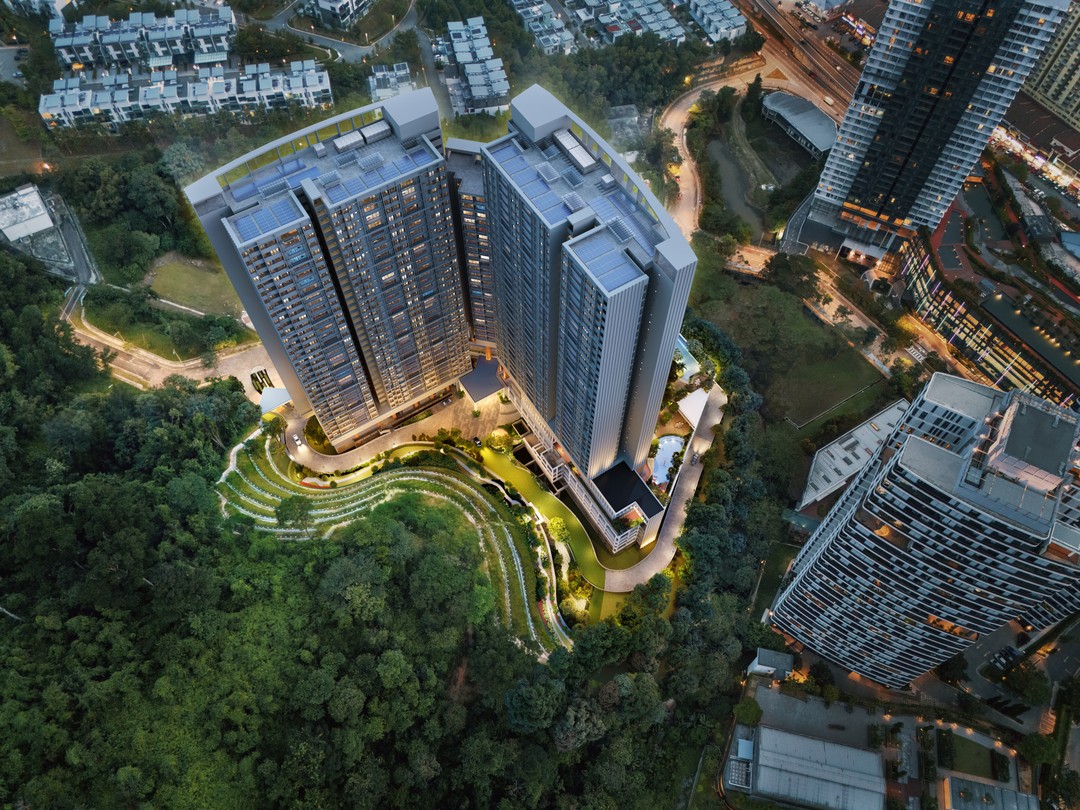
From a shopping mall and international school to forest trails, quartz ridges and a new generation of spacious condominiums, KL East is building a different proposition for city living.
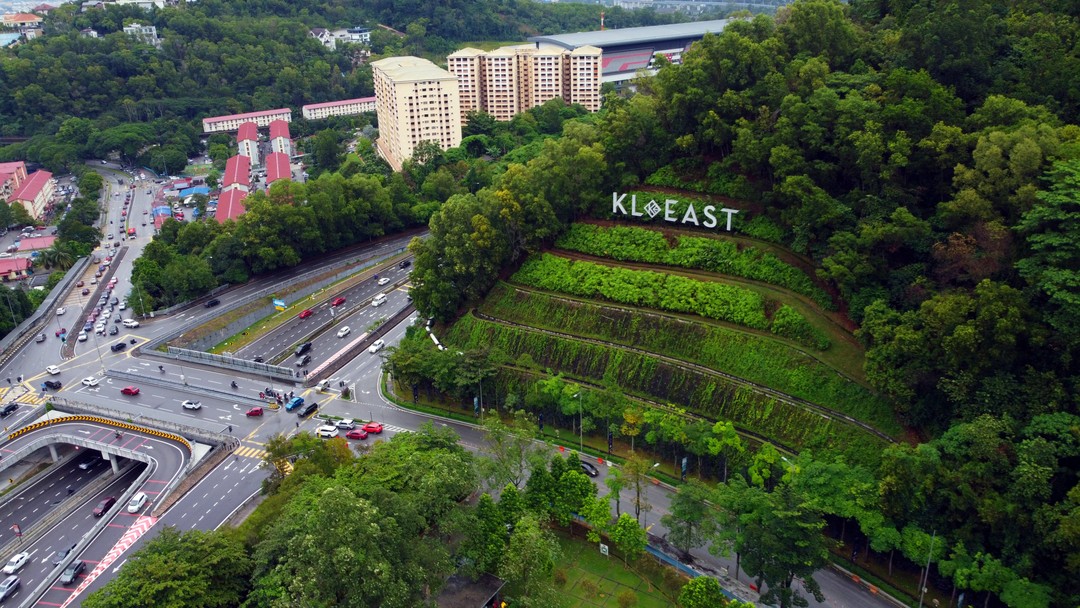
Developed by Sime Darby Property, KL East is a 159-acre integrated township in Desa Melawati that brings together residential developments, retail, education, parks and transport connections. Its defining feature is the relationship between the built environment and the surrounding forested hills, with the developer allocating 67 acres to parks and green spaces, including the 53-acre KL East Park.
The result is a township designed to appeal to people who want the convenience of city living without necessarily accepting the density, noise and limited greenery associated with many urban neighbourhoods. Whether that proposition justifies the premium attached to some of its homes depends on the buyer, but KL East offers a more substantial concept than simply putting a condominium beside a park.
At the foothills of Bukit Tabur and the Klang Gates Quartz Ridge, on the northeastern side of Kuala Lumpur, a different kind of township is taking shape. Instead of building an entirely urban environment and adding greenery afterwards, KL East places its surrounding natural landscape at the centre of its identity.

| next
prev |
Understanding KL East: More than a shopping mall
A location shaped by Bukit Tabur and the Klang Gates Quartz Ridge
KL East Park: The township's natural centrepiece
Living between two streams: The environmental and design challenge
The feng shui story behind The Reya
The hiking trail and lookout: Bringing nature closer to home
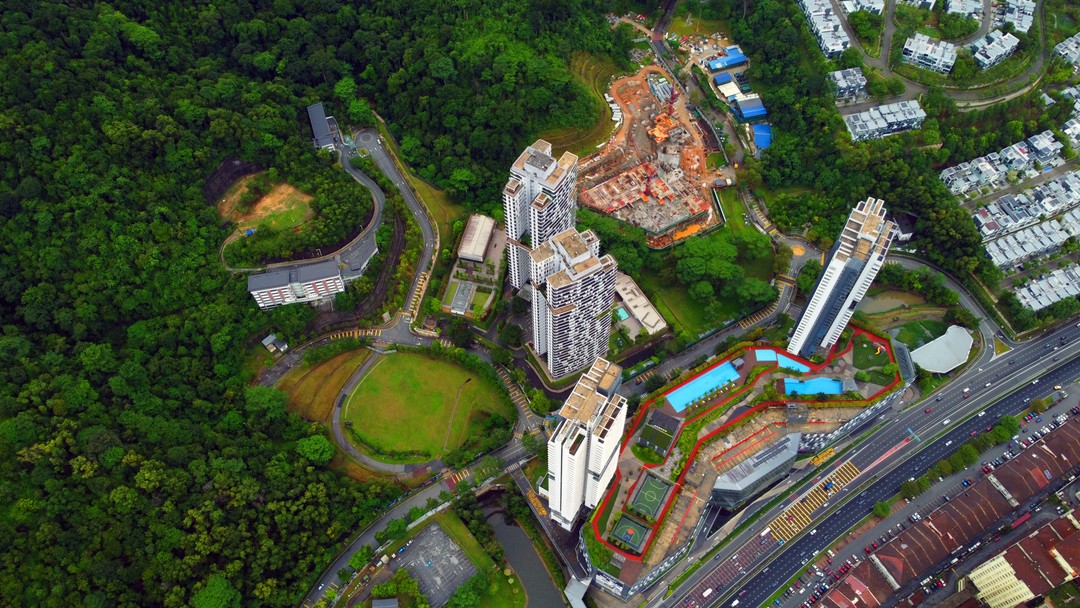
For many Kuala Lumpur residents, KL East Mall is the most recognisable part of the development. However, the mall is only one component of a much larger masterplan. KL East was conceived as an integrated residential and lifestyle destination. Its residential portfolio includes completed developments such as The Véo, The Ridge and East 57, alongside newer projects including The Reya and East 61. Each serves a different segment of the housing market, ranging from serviced residences to landed homes and larger family-oriented condominiums.
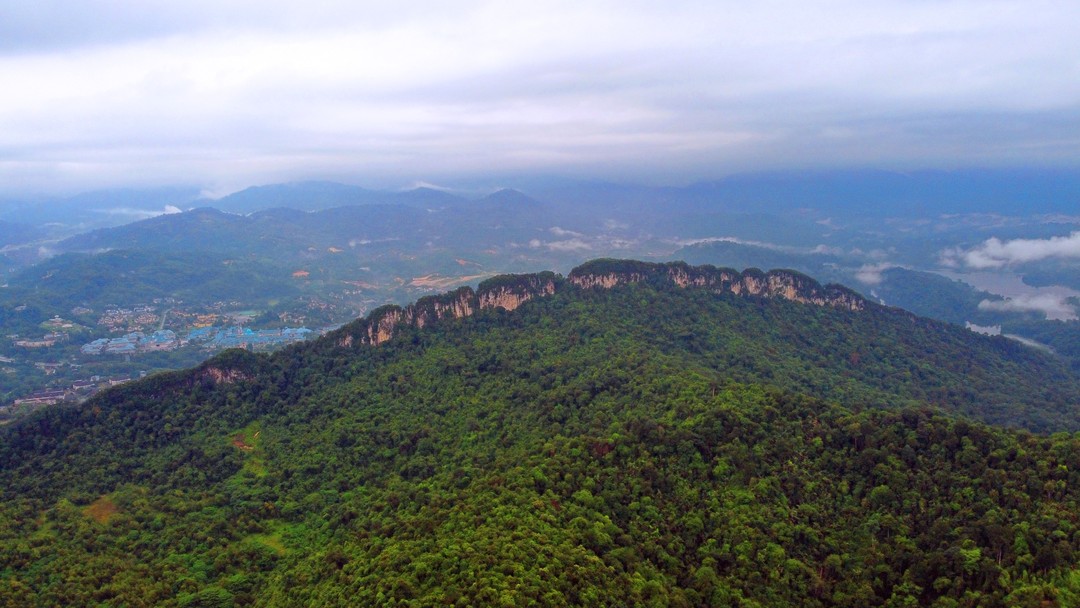
KL East's most distinctive geographical feature is its proximity to Bukit Tabur and the Klang Gates Quartz Ridge, a prominent geological formation on the northeastern edge of Kuala Lumpur.
Unlike a development surrounded entirely by other buildings, KL East sits beside a landscape of forested hills and exposed quartz formations. This creates a markedly different visual environment, particularly for homes that face the surrounding greenery rather than neighbouring towers.
The KL East Park is one of the most important elements of the masterplan. According to Sime Darby Property, the township incorporates 67 acres of parks and green spaces, with the 53-acre KL East Park forming its principal natural attraction. The developer also highlights the KL East Micro Forest as part of its wider ecological approach.
The distinction between a conventional condominium garden and a large natural park is significant. A landscaped garden is generally designed around recreation and appearance, whereas a larger green space can offer a more varied outdoor environment, including walking routes, vegetation and opportunities to experience the surrounding landscape. For residents, the potential benefits are practical as well as visual. Green spaces can provide somewhere to walk, exercise, spend time outdoors or take a break from screens and traffic. Families may value having an outdoor destination close to home, while people who enjoy hiking may appreciate easier access to nature without having to drive to a distant trailhead. KL East's natural setting is therefore intended to become part of everyday life rather than something residents see only from their balconies.
The Reya development introduces another interesting aspect of KL East's landscape: the presence of two natural streams around its site. During the video, the presenter identifies the waterways and describes how they run down from the surrounding hills, with their courses converging in the broader area. He also observes construction activity around the streams and notes the installation of bridges intended to maintain access while avoiding disruption to the watercourses. Building on sloping terrain beside natural streams is more complicated than developing a flat urban plot.
The design must account for drainage, runoff, slope stability, retaining structures, construction access and the need to maintain the waterways' natural flow. This is especially important in a tropical environment, where intense rainfall can place considerable demands on drainage systems and slope management. The presence of streams and steep terrain makes it important to understand how water is channelled around the buildings and how the site is engineered to manage heavy rain.
The two streams also feature in the presenter's discussion of feng shui. According to the explanation relayed during the tour, feng shui practitioners interpreted the mountain as a symbolic spine and the streams as channels through which fortune and wealth flow. The point where the watercourses converge was described as especially auspicious, and the presenter referred to it as a “Meridian Point”.
These beliefs provide a cultural interpretation of the landscape and help explain why the site's geography may be meaningful to some buyers. In Malaysia's property market, traditional Chinese geomancy can influence preferences concerning building orientation, the relationship between mountains and water, and the arrangement of entrances and residences. Regardless of one's beliefs, the physical characteristics of the site remain relevant. The slopes, streams, building orientation and surrounding hills directly affect the development's design and the views available to residents.
One of the most interesting features discussed during the property tour is the planned KL East Park Lookout Point and associated hiking trail.The concept goes beyond providing a simple path through a green area. The plan described in the video involves managing the hillside, creating safer walking routes and maintaining access to parts of the natural landscape. Stone tracks, bridges and other provisions are intended to make the area more suitable for visitors while reducing unnecessary disturbance to the surrounding environment. A managed trail can offer several advantages over an unmanaged route. It can help visitors follow designated paths, reduce accidental damage to vegetation and provide a more controlled environment for recreational use. At the same time, it requires ongoing maintenance, safety monitoring and responsible management.
At KL East, the idea is to establish a community where residents can access retail, schooling, residential facilities and green spaces without having to travel across the city for every activity. The extent to which this works in practice depends on walking routes, opening hours, transport connections and the availability of services, but the underlying masterplan is designed around that objective.
The quartz ridge is not merely a decorative backdrop. It is a major part of the area's physical identity and contributes to the sense that KL East is connected to a wider natural landscape rather than being an isolated pocket of landscaping within the city. In the property market, views can influence both the appeal and pricing of individual units. A residence facing a green hillside may offer a different living experience from one overlooking a busy road or another apartment block. At KL East, the opportunity to combine city access with forest and ridge views is a central part of the development's proposition.
KL East Mall: The everyday convenience factor
KYS KL East International School and family-oriented living
A township built around nature still needs to work for everyday life. This is where KL East Mall becomes important.The mall provides a retail and lifestyle destination within the development, with dining, shopping, entertainment and other services. Rather than relying entirely on the commercial facilities of neighbouring suburbs, residents have a major shopping destination close to home.
For families, the convenience may be particularly valuable. Grocery shopping, dining out, meeting friends and running everyday errands can become simpler when these activities are available nearby. The mall can also serve as a social destination for people living in the surrounding neighbourhoods.
Its importance extends beyond residents of the newest developments. The mall serves the broader catchment around KL East, including Melawati and other parts of northeastern Kuala Lumpur. That wider population is relevant to the long-term viability of the township's commercial environment. KL East's integrated approach is strongest when residents can comfortably move between their homes and the mall without having to drive for every short trip.
Education is another major component of the township. KYS KL East International School is located within KL East, providing an educational facility close to the residential developments.
For families considering a move, proximity to a school can simplify the daily routine. Shorter journeys may reduce the time spent travelling between home, school and work, although actual convenience depends on school transport arrangements, traffic and the family's schedule.
The presence of an international school also helps establish KL East as a residential destination rather than a development focused only on retail and investment. Education, parks and shopping are complementary components of a neighbourhood designed for longer-term living. This is particularly relevant to The Reya, where the larger apartment layouts are intended to accommodate families with multiple children, older parents or household help. Spacious homes alone do not create a family-friendly environment; access to education, recreation and daily necessities matters just as much.
Where Kuala Lumpur's Urban Lifestyle Meets the Forest

Road connectivity: Six highways and access to the city
Covered walkways and the importance of walkability
The Reya: A major residential addition to KL East
Gombak LRT, the transport terminal and the ECRL
Despite its green surroundings, KL East is positioned close to major road connections. Sime Darby Property identifies six highways serving the township: the Middle Ring Road 2 (MRR2), Duta–Ulu Kelang Expressway (DUKE), Setiawangsa–Pantai Expressway (SPE), Sungai Besi–Ulu Kelang Elevated Expressway (SUKE), Ampang–Kuala Lumpur Elevated Highway (AKLEH) and Karak Expressway.
This network gives residents several possible routes towards different parts of the Klang Valley and beyond. The Karak Expressway is particularly relevant to people travelling towards Genting Highlands, Bentong and the east coast, while the other routes connect to different urban and suburban destinations. For people who drive frequently, KL East's location may offer useful flexibility. For those seeking a car-light lifestyle, the quality of its public transport and pedestrian connections deserves equal attention.
One of the less glamorous but potentially valuable features of an integrated township is the pedestrian network linking its different components.KL East's masterplan highlights covered walkways connecting residents with lifestyle amenities. These routes matter in Malaysia, where heat, heavy rain and the inconvenience of crossing busy roads can discourage people from walking even when destinations appear close on a map.
A well-designed walkway can turn a nearby mall or school into a genuinely accessible amenity. Without a safe and comfortable route, a distance of a few hundred metres may still feel impractical, especially for families with young children, older residents or people carrying shopping. Walkability also influences how residents interact with the township. When people can comfortably walk to a café, park or retail destination, these spaces can become part of their daily routines rather than occasional places to visit by car.
This is a different proposition from a conventional high-rise where most units face a limited number of standard directions. At The Reya, the building's shape and positioning are part of the intended residential experience. The development is also a reminder that KL East is still evolving. While parts of the township are already established, newer residential phases and planned amenities will continue to shape the neighbourhood over time.
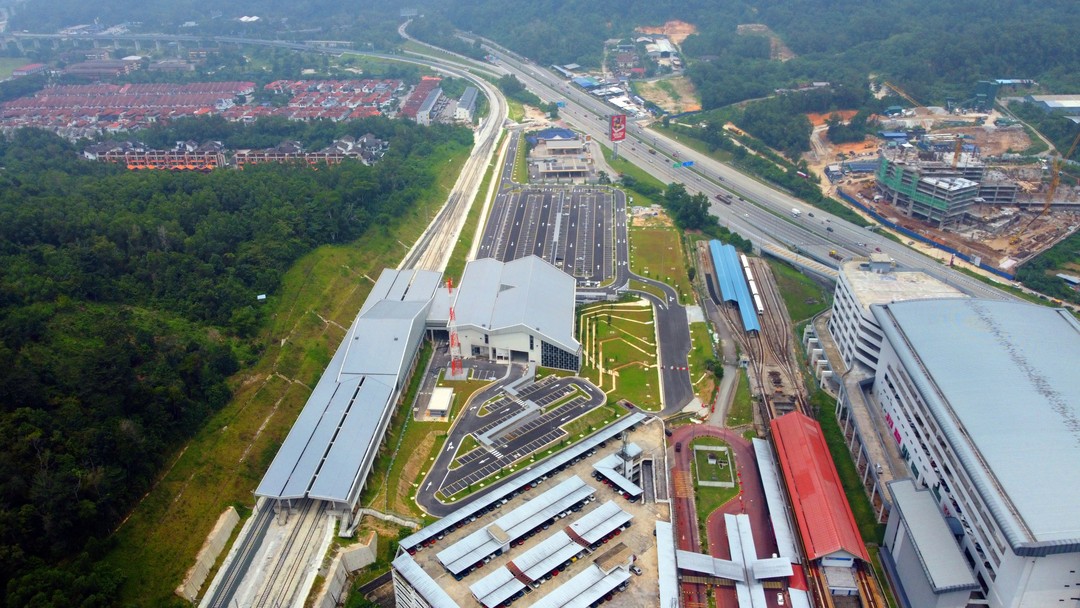
Public transport is an important part of KL East's connectivity story.The nearby Gombak LRT station provides a rail option for travelling towards the city, while the Gombak Integrated Transport Terminal offers connections for longer-distance bus travel. Sime Darby Property also identifies a planned East Coast Rail Link station in the area, with the ECRL previously targeted to begin operations in 2027.
The combination of rail, bus and road infrastructure could benefit residents who travel frequently within Kuala Lumpur or between the capital and other parts of Peninsular Malaysia. The ECRL is particularly relevant to the township's east-coast connections.
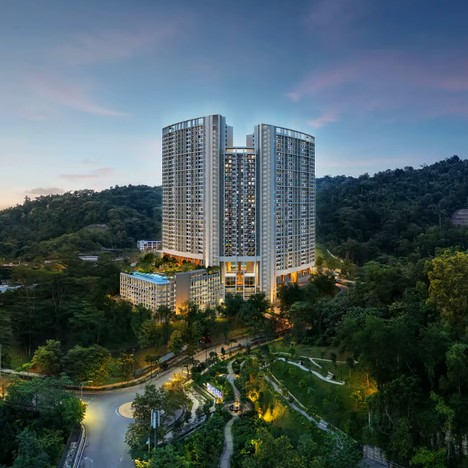
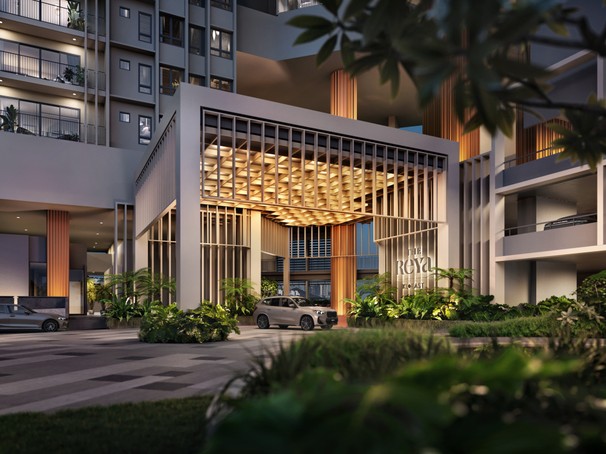
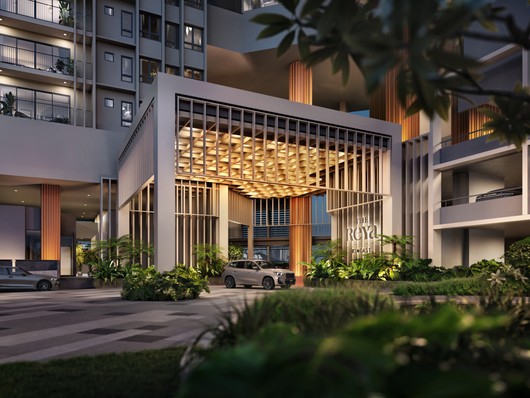
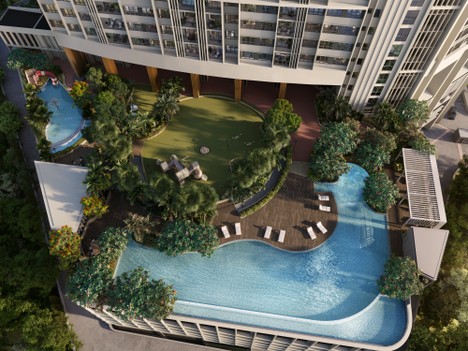
The Reya is one of the most prominent new residential developments within the KL East masterplan. It is a freehold condominium on a 6.39-acre site, designed to offer views of the city, the surrounding forest or both.
According to Sime Darby Property's August 2025 announcement, The Reya comprises 480 units across two phases, with a gross development value of RM475 million. The project was designed around larger homes, multiple bedroom configurations and layouts intended to support multigenerational living. The project also illustrates the relationship between KL East's landscape and residential design. The building is terraced across the sloping site, and its form creates different orientations for apartments. Some homes are positioned to capture forest views, others face towards the city, and certain layouts can take advantage of both directions.